Loft spray foam removal
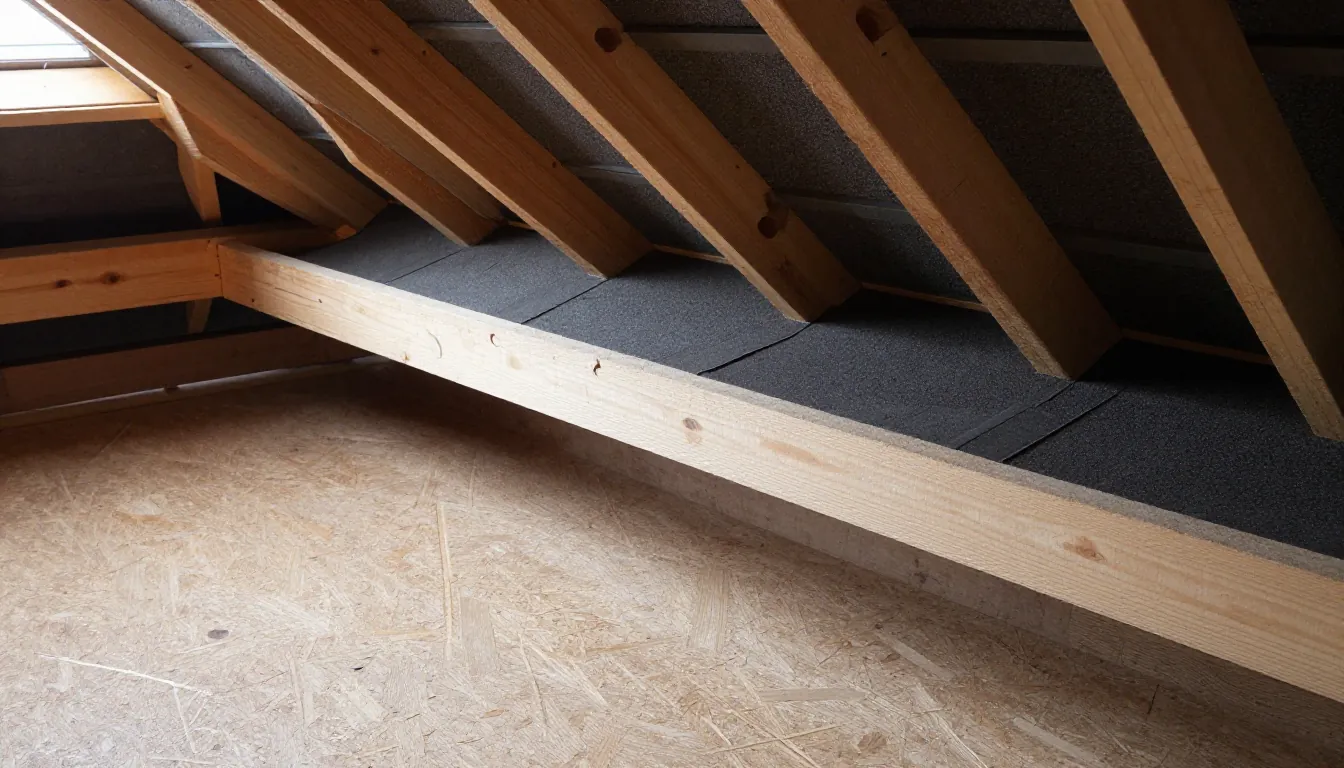
What loft spray foam removal involves
Homeowners may face complex questions about their roof insulation. In March 2023, RICS published a free consumer guide on spray foam. This document describes installation as a significant and fundamental alteration to a home. However, the RICS announcement does not mention removal.
If you are considering this work, you should read our guide to loft insulation removal first. You must also check if financial help is available. However, a GOV.UK page from 22 October 2026 regarding remediation and lending does not mention any grant or funding for removal. You may want to read our guide to spray foam removal schemes to learn more about this topic.
You may find that costs vary depending on the material type. For example, published UK cost guides suggest removing open-cell spray foam from a semi or three-bed loft costs about £2,500 to £3,500. This estimate excludes survey and timber extras.
When you might need loft spray foam removal
Deciding to remove foam often depends on the specific material used. Published UK cost guides suggest removing closed-cell spray foam from a semi or three-bed loft may cost about £3,500 to £5,000. However, this figure also excludes survey and timber extras.
You might need this work if you are selling your property. This is because lenders sometimes require specific inspections or remediation to approve a mortgage. You may also find that the installation has caused issues with your roof timbers.
Often, the removal process reveals the condition of your roof structure. You might require minor timber treatment or repair after the foam is gone. Published UK cost guides suggest this could cost between £500 and £1,500. You should check if your roof timbers are still sound.
How a job usually runs
The process starts with a professional assessment. This is because only specialist surveyors experienced in spray foam can tell you whether foam should be removed. The GOV.UK page points to the Property Care Association find-a-specialist tool. It also suggests a RICS online article on spray foam.
The Property Care Association runs a Spray Foam Assessor Register of trained surveyors. Their deputy chief executive said this has improved consistency in the assessment of installations. Before you book, you should check the current status of lender requirements.
The same GOV.UK page says the list can change. Lenders can contact correspondence@energysecurity.gov.uk to be added or to report a change in position.
When a professional arrives, ensure you have access to the loft space. You should prepare by clearing any clutter from the area. Ask the contractor about their specific experience with your insulation type. They should explain their method of removal.
What affects the cost
Many factors influence the final price for your project. The type of foam is a major factor. For example, open-cell foam is generally cheaper to remove than closed-cell foam.
Published UK cost guides suggest removing open-cell spray foam from a semi or three-bed loft may cost about £2,500 to £3,500. However, closed-cell foam is more expensive. Published UK cost guides suggest removing closed-cell spray foam from a semi or three-bed loft may cost about £3,500 to £5,000.
Additional work can also increase the total bill. You might need roof timber inspection and repair if the foam has caused dampness. Minor timber treatment or repair after removal might cost between £500 and £1,500 according to published UK cost guides. You can explore our services to learn about different types of spray foam removal for your home.
Questions to ask before you book
Safety is a vital concern during any spray foam removal. HSE says the COSHH Regulations require employers to protect workers from isocyanate risks. These chemicals are found in polyurethane foams.
Spraying is a higher-risk task because of this. Health effects include irritation, dermatitis and occupational asthma.
You should ask your contractor about their safety protocols. Ask how they protect their workers from isocyanate risks. You may also want to ask about their experience with loft insulation removal specifically. It is wise to confirm they use professional equipment to manage dust and fumes.
Where we cover
Spray Foam Removal Network provides a service across the whole of the UK. We cover England, Wales, Scotland and Northern Ireland. You can find more information on our areas page.
We do not have a single physical address. We match you with a local professional in your specific town.
Getting in touch
Tell us about your spray foam once on the enquiry form. We check the details, then pass them to one pre-qualified removal contractor who covers your area. That contractor gets in touch with you directly. Send an enquiry today.