Re-insulation after removal
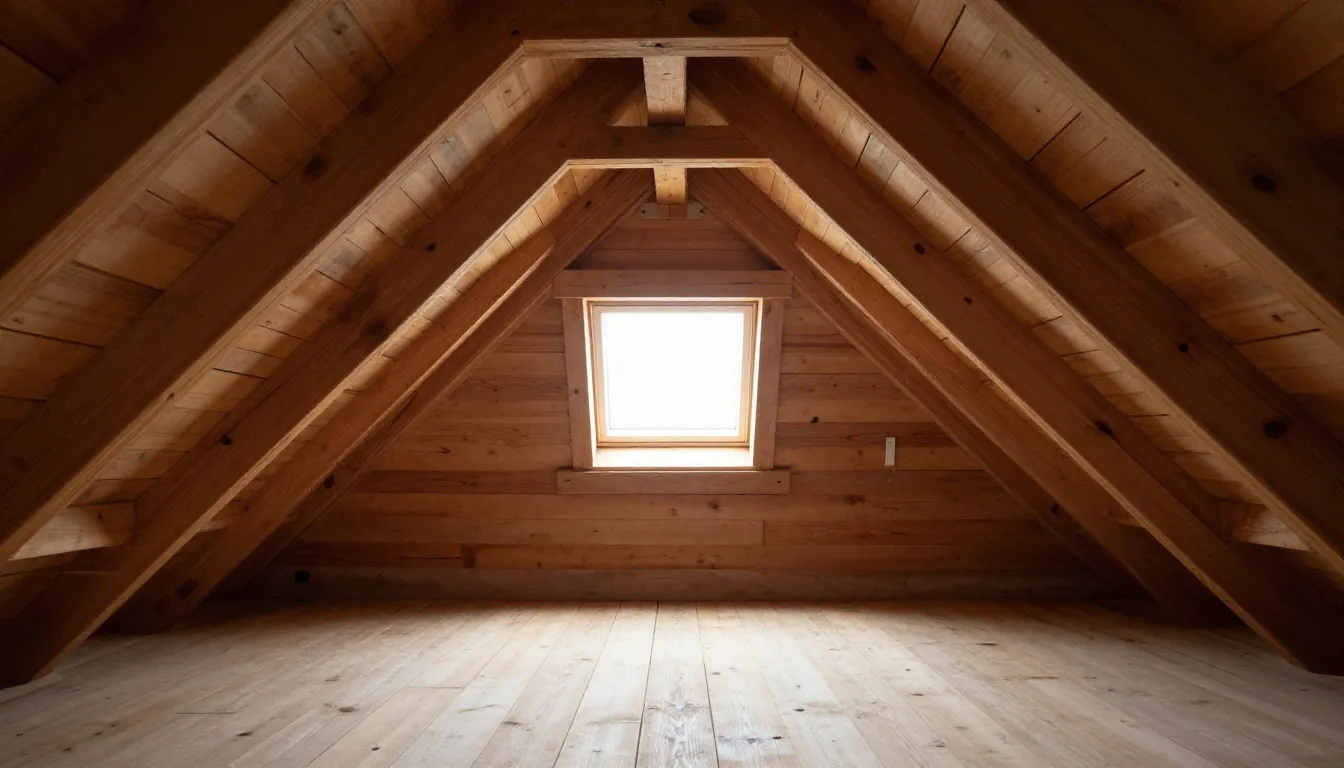
What re-insulation after removal involves
Once the removal of spray foam insulation is complete, you may want to replace the insulation. Ask a specialist what new material suits the area. For example, you might choose mineral wool, sheep’s wool, or standard loft insulation for this task.
The choice depends on the specific area you are treating. For example, loft spaces might need loose-fill insulation. Meanwhile, wall cavities may use injected materials.
You should check your home’s original design before you start. It is helpful to ask a professional which material matches your previous setup.
Effective re-insulation can help your home stay warm, so ask your contractor what they recommend. You should also consider how the new material interacts with existing timber. Always prepare to discuss your heating system during the process.
This ensures the new layer works well with your current setup. You might also want to ask about the thickness of the new layer.
When you might need re-insulation after removal
You might need this service if you have recently undergone spray foam insulation removal. Ask your contractor what insulation they recommend afterwards. Without new insulation, your property may become difficult to heat. As a result, this loss of warmth can lead to higher energy bills.
Homeowners may be asked about their foam by a lender. GOV.UK says lenders lend subject to their own requirements, and that removing the foam will not always guarantee they will still lend. You should also consider the age of your property before choosing new materials.
If you are unsure if you need this work, consult a specialist. Only surveyors experienced in spray foam can tell you if removal is necessary. You can find help via our guide to finding a reputable removal contractor. This ensures you receive expert advice for your specific property.
How a job usually runs
Since only specialist surveyors can determine if foam should be removed, the process often starts with a professional survey. The GOV.UK page points to the Property Care Association find-a-specialist tool for this. It also points to a RICS online article regarding spray foam.
The Property Care Association runs a Spray Foam Assessor Register of trained surveyors. Their deputy chief executive says this register improves assessment consistency. You should verify if your surveyor is on this list, since this helps ensure the surveyor has the correct training.
The GOV.UK page says the list of lenders can change. Lenders can contact correspondence@energysecurity.gov.uk to be added or to report changes. Before you book, ask the contractor about their specific experience.
You should also ask how they handle debris during the re-insulation phase. Ask them how they plan the workflow for your property.
What affects the cost
Several factors can influence the final price for re-insulation. The size of the area being treated is a primary factor. For example, a large loft may cost more than a small cavity. You should prepare to measure your space beforehand.
The type of new material you choose also matters. High-end natural insulators may have a higher price point than standard mineral wool. You might also consider the height of the property, because access can affect a quote.
You can read our guide to spray foam removal certificates for more context. Because prices vary significantly based on your specific site conditions, you should ask if there are extra costs for difficult access.
Questions to ask before you book
Safety is a major concern when dealing with polyurethane foams. The HSE says the COSHH Regulations require employers to protect workers from isocyanate risks. Polyurethane foams contain these chemicals. HSE says spraying is a higher-risk task, and that isocyanate health effects include irritation, dermatitis and occupational asthma.
You should ask your contractor about their safety protocols. Ask how they manage dust and residues during the work. You should also ask how they protect your property from debris. You might ask how they manage air quality during the installation.
It is wise to ask about their insurance coverage. You should also ask if they provide a guarantee for the new insulation. This helps ensure the work meets your long-term needs. Always confirm their specific experience with your type of building.
Where we cover
Spray Foam Removal Network operates throughout the whole of the UK. We cover England, Wales, Scotland and Northern Ireland. You can find more details on our areas page.
We match you with a local specialist in your specific town. Please check our services for more information on our process. Although we do not provide the work ourselves, we match your enquiry to one pre-qualified contractor.
Getting in touch
If you need help with this process, we can assist. We match you with one specialist for your specific job. Please send an enquiry to get started.