How to remove spray foam insulation (and why to take advice first)
· By Spray Foam Removal Network
GOV.UK says improper removal could lead to further issues. GOV.UK also says removing the foam will not always guarantee that a lender will still lend. Take advice from a specialist surveyor before you decide how to remove the foam.
What to know first
Safety is a major concern because HSE says isocyanates in polyurethane foams can cause irritation, dermatitis and occupational asthma. You should wear a high-quality mask and eye protection. Always ensure the loft space has plenty of ventilation before you start. You might want to ask about how to remove spray foam insulation to suit your home.
Some people want to remove the foam, but should ask a specialist first. However, GOV.UK says improper removal could lead to further issues. You must check the wood for rot before you begin.
Ask a specialist surveyor what to look for before any work starts. Therefore, you should check if the wood feels damp to the touch.
You might want to ask about how to remove spray foam insulation to suit your home. You must consider the scale of the job first. A small loft is simpler than a large detached house.
Always check if your roof structure can handle the work. You should ask about the weight of the material.
It is important to understand the different types of foam. Closed-cell foam and open-cell foam have different properties. You should ask which type is currently in your loft.
This will change how you approach the task. You must be careful with both types of material.
Steps you can try yourself
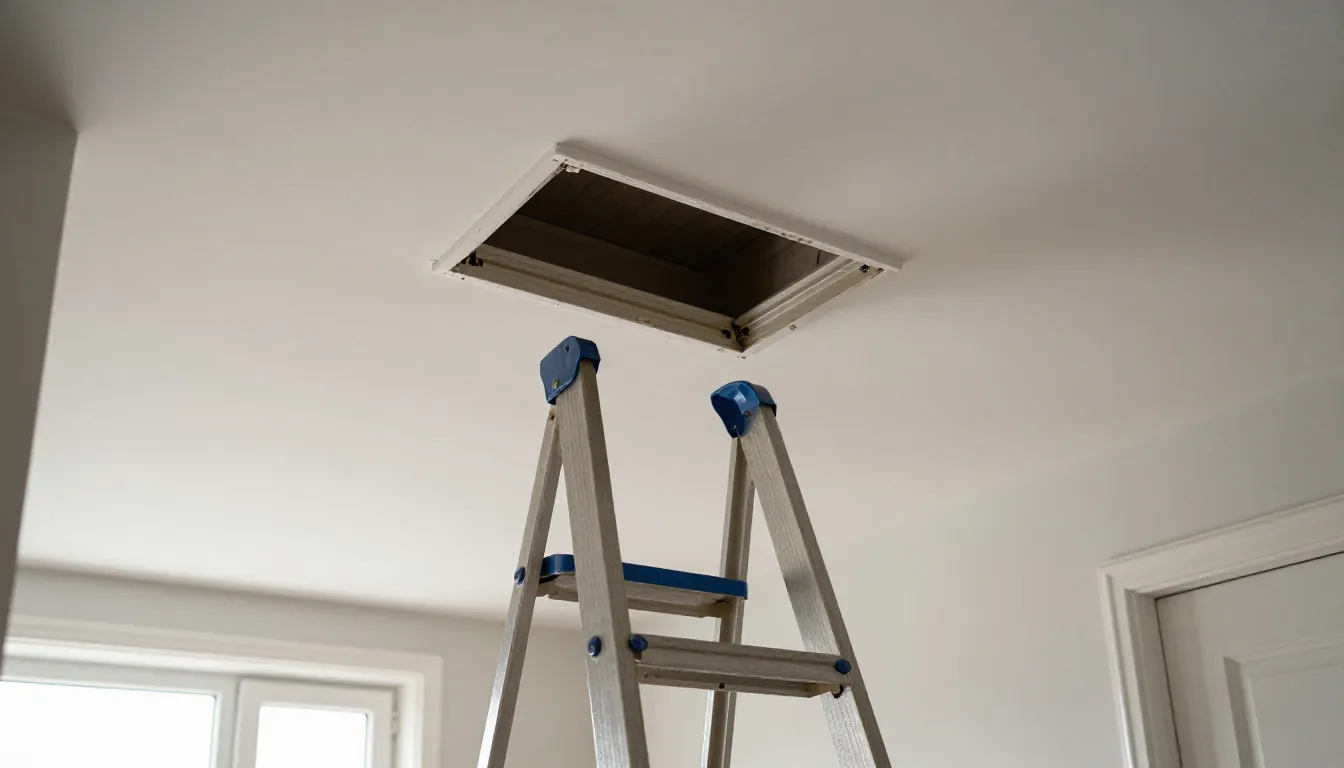
If you choose to try, start with basic cleaning. For example, you can use a stiff brush to clear loose debris. Ensure you have a sturdy ladder for access. Always work with a second person nearby for safety, and ask them to watch for falling pieces.
First, clear the area of any loose material. You might need a vacuum for cleaning up the dust, since this helps manage the fine particles created during the job.
Keep your work area tidy to prevent trips. You should ask about the tools needed to contain the mess.
Next, check the timber for any signs of moisture. For example, you can use a moisture meter for this task. If the wood feels damp, stop the work immediately.
You should ask a professional if the wood is damaged. This is vital for your home’s safety.
You may also need tools for cleaning up the debris. Because removing foam creates a significant amount of mess, you should prepare for a dusty environment.
Always protect your belongings from falling fragments. You should ask if you need extra plastic sheeting.
Mistakes to avoid
Many people make the mistake of rushing the job and try to tear large chunks away at once. Ask a specialist how to avoid problems before you start. Minor timber work is priced in published cost guides. You should ask how to prevent this damage.
Some people also fail to check moisture levels. A specialist surveyor can say whether your foam needs attention. Consequently, ask for advice before you act.
You should avoid covering up rot with new materials. You should check the wood for any dark spots.
You may also need tools for cleaning up the debris. Because removing foam creates a significant amount of mess, you should prepare for a dusty environment.
Always protect your belongings from falling fragments. You should ask if the area needs covering.
You should never attempt to scrape foam if you are unsure, because improper removal could lead to further issues. You might damage the underlying structure.
You should check if the foam is well-bonded. This will determine how much effort the job needs.
When a spray foam removal is the safer choice
If your mortgage worries you, seek professional help. You can send an enquiry to find a specialist. One enquiry puts you in touch with one pre-qualified removal contractor for this job. This person will give one quote after seeing the job.
A professional will provide one quote after seeing the job. As a result, you know the exact requirements for your home. In a semi or three-bed loft, costs vary by foam type.
Published UK cost guides give about £3,500 to £5,000 for closed-cell foam removal. In contrast, they give about £2,500 to £3,500 for open-cell foam.
Larger detached properties will cost more to clear. For closed-cell foam, published guides give about £5,000 to £6,500. For open-cell foam in these homes they give about £3,500 to £4,500.
Minor timber treatment may cost between £500 and £1,500. Therefore, you should ask about these extra costs.
If the job is complex, do not attempt it yourself. You might need loft spray foam removal services or look for spray foam removal options. You might seek spray foam removal in Dorset or spray foam removal in Basingstoke. You can also try spray foam removal in Lancashire or spray foam removal in Derby.