Cavity wall insulation removal
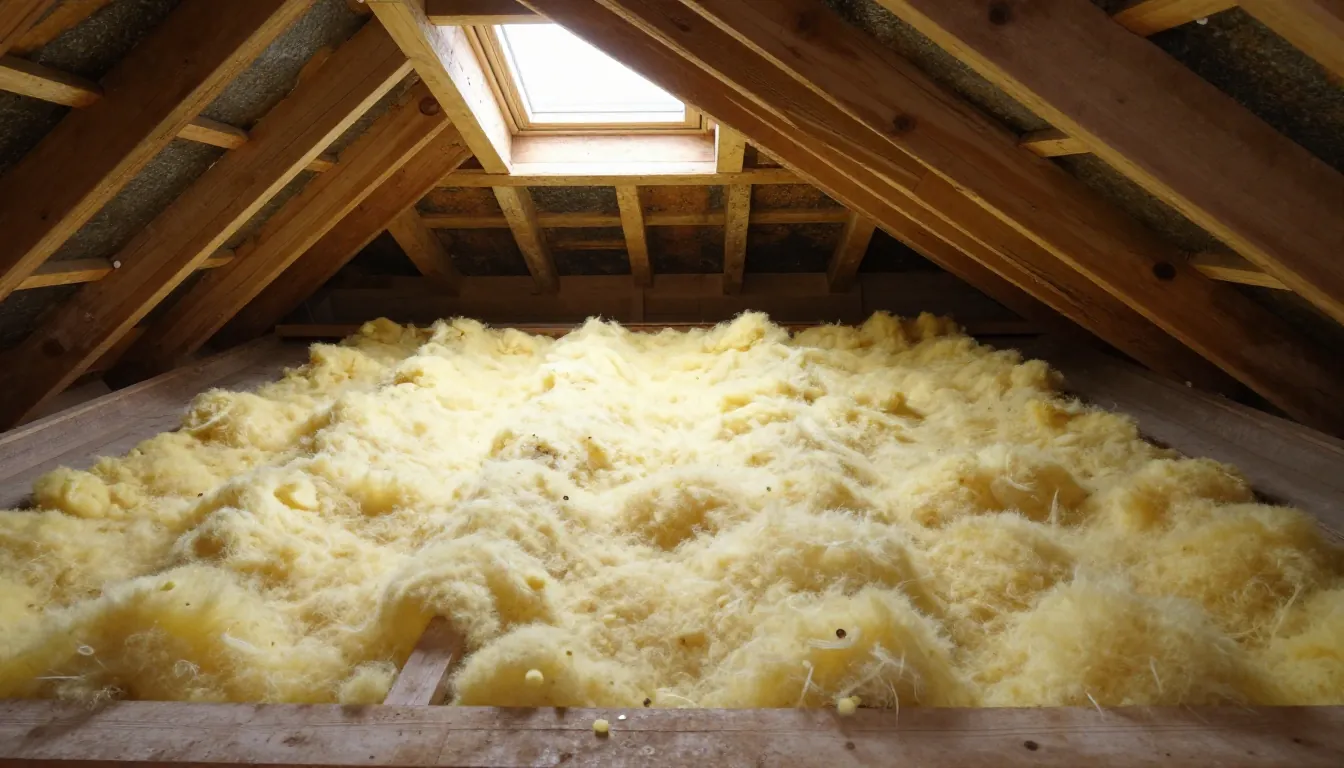
What cavity wall insulation removal involves
Homeowners often face difficult decisions when their cavity wall insulation fails. This process involves extracting the existing material from the space between your external and internal walls. Ask a surveyor what they would check in your walls and write down what they tell you.
Before starting, you should consult experts to understand if your specific installation requires removal. Ask the surveyor what they are qualified to assess before you agree to anything and write down what they tell you. You can find more information in our guide to when cavity wall insulation removal is needed.
Sometimes you may need to consider re-insulation after removal to maintain energy efficiency. It is wise to prepare your home by clearing access to the exterior walls. You should also ask your contractor about their specific extraction methods during the initial visit. This is a key part of our services range.
When you might need cavity wall insulation removal
You might notice damp patches or condensation on your internal walls. Ask a surveyor to look at the cause of any damp before you decide. Note when the insulation went in and keep any paperwork or guarantee.
Some lenders may ask about insulation, so discuss it with yours. Read our guide to getting a mortgage after spray foam removal for more detail. This is particularly relevant if you are planning a property sale or a refinance.
You should also check if the insulation is causing structural concerns. If you suspect the material is the cause of your issues, seek a professional assessment. This can help you decide if cavity wall insulation removal is the correct path for your property.
How a job usually runs
The process often begins with a professional assessment of your walls. The GOV.UK page points to the Property Care Association find-a-specialist tool. They also suggest reading a RICS online article on spray foam.
The Property Care Association runs a Spray Foam Assessor Register of trained surveyors. Their deputy chief executive said this has improved consistency in the assessment of installations. Therefore, you should ask for a formal report from a professional who uses this register.
Please note that mortgage lender lists can change. The same GOV.UK page says the list can change. Lenders can contact correspondence@energysecurity.gov.uk to be added or to report a change in position.
You should prepare by ensuring the contractor has clear access to all external walls. Ask the professional about their waste disposal procedures during the site visit. You should also ask how they intend to seal the cavities once the material is gone.
What affects the cost
The total price for this work depends on several factors. You might see variations based on the accessibility of the walls. For example, different wall heights or difficult layouts can influence the final figure.
The volume of material the contractor extracts will impact the quote. For example, ask about pricing. You can view our general spray foam removal cost guide for more information.
Ask them to list anything the price does not cover. Ask the contractor which features of your walls could change the quote. Always ask for a single, clear quote after the professional sees the job. You should ask if the quote includes all necessary equipment and site protection.
Questions to ask before you book
Health and safety is a vital consideration for any home project. HSE says the COSHH Regulations require employers to protect workers from isocyanate risks, since polyurethane foams contain these chemicals.
Spraying is a higher-risk task because of these risks. Health effects include irritation, dermatitis and occupational asthma. You should ensure the contractor follows all safety protocols to protect themselves and your home.
Ask your professional about their safety measures before you book. Since dust is an issue, ask how they manage particles during removal.
You might also ask how they handle the disposal of old material. Therefore, ask if they have specific protocols for managing isocyanate risks on-site.
Where we cover
Spray Foam Removal Network provides coverage across the entire country. We cover the whole of the UK including England, Wales, Scotland and Northern Ireland.
You can view our list of areas to find your location. Although we do not provide a specific office address, we match you with a local professional in your specific town.
Getting in touch
Tell us about your spray foam once on the enquiry form. We check the details and then pass them to one pre-qualified removal contractor who covers your area. Send an enquiry today.